HYBRID
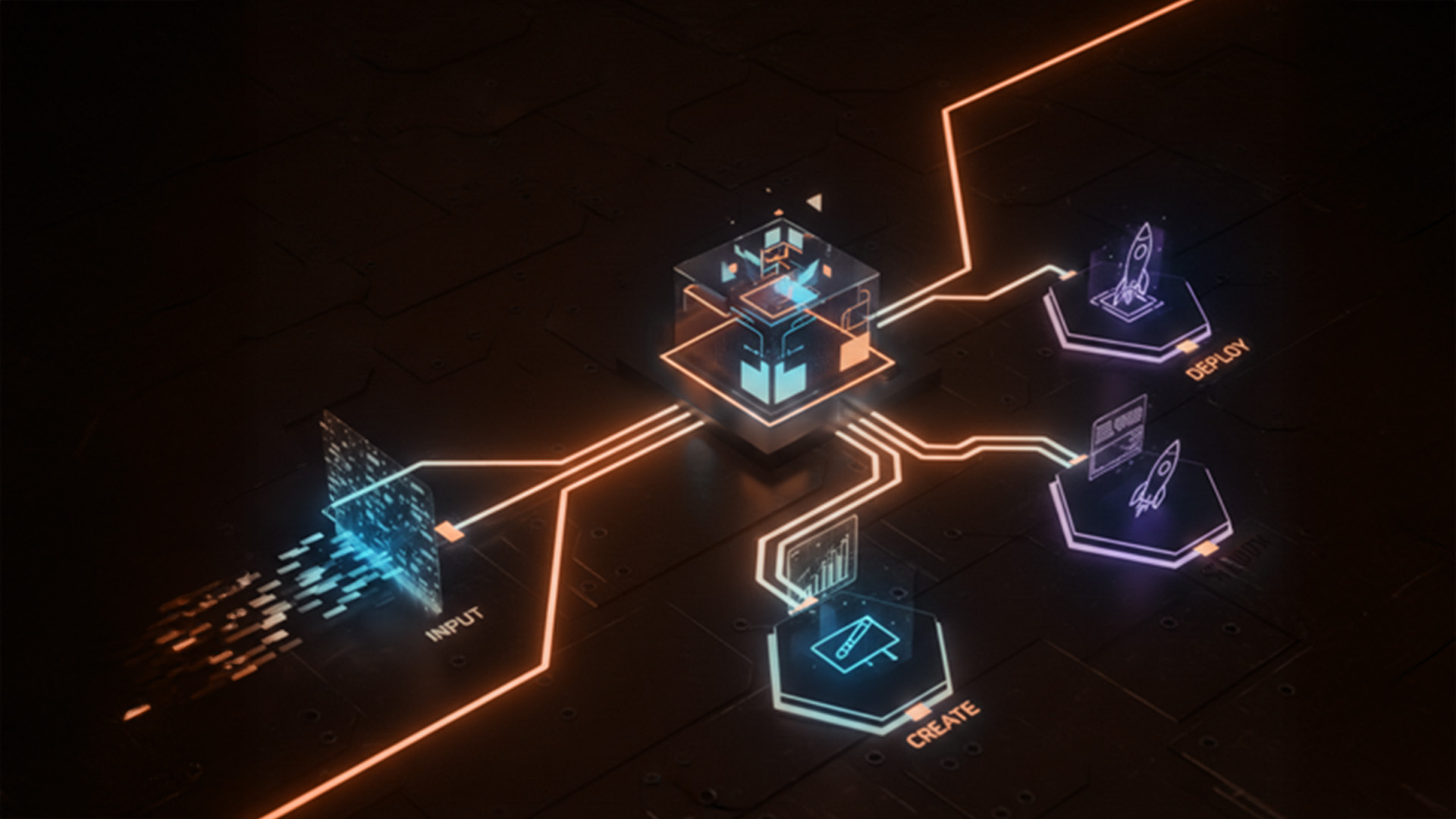
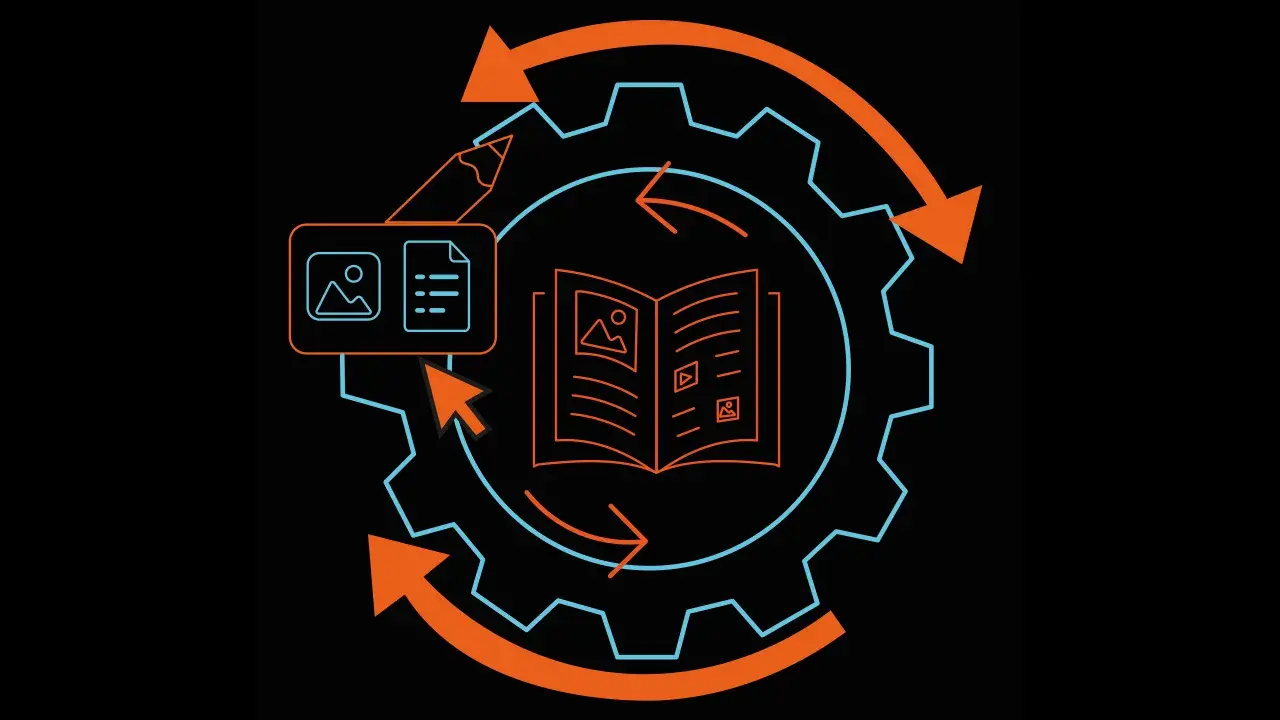
In semi-automated publication production, humans and software work hand in hand. The software provides predefined templates automatically populated with content and assembles the publication as far as possible. The human user then adds any missing content and finalizes the prepared publication. Semi-automation is feasible when the following criteria apply:
- A moderate degree of defined layout specifications
- A moderate degree of defined design rules
- A moderate degree of structured product information
- A moderate degree of structured image data
A moderate degree of layout specifications can be assumed, for example, if there are guidelines for:
- Page formats (Master pages)
- Page presentation (Page templates)
- Product presentation (Product templates)
This can often be established by building upon the data and structures of previous publications.
A moderate degree of design rules is assumed if, for example, the following are available:
- Pagination/Break rules
- Flat plans or page plans
The absence of certain layout or design specifications does not prevent semi-automation, nor does the need to manually add product information or images. The core philosophy of semi-automation is the deliberate collaboration between human and software. The objective is clear: The software handles the foundational work, leaving you with more time for the individualization and perfection of your publication.
Existing software for structuring product and image data can be connected to the semi-automation engine via a REST API. This ensures that DAM and PIM systems can remain in use or be replaced independently over time. However, a dedicated DAM or PIM system is not strictly required; structured product data can also be utilized via Excel, XML, CSV, or JSON files, incorporating image data directly from a file system.
Would you like an assessment to see if your publication is a candidate for semi-automation? Feel free to get in touch with us via email or phone: